Explaining our IoT solution

The Internet of Things (IoT) is a set of technologies that include sensors, actuators, lights, and a host of other electronic devices that can communicate with an IoT service provider. Communications are transported over a cellular, WIFI or Low Power Wide Area network.

Contact Us

Connect, monitor and automate all your assets

You may have assets such as trailers, industrial equipment, warehouses, fridges, doors, sensors etc. These assets can be monitored for real-time status, data can be collected, and reporting automated for a wide variety of assets. Some sensors can be used without network connections, some without power and a battery that lasts for years.

» Visualise all assets on a map or list view

» Monitor asset status

» Create alerts when assets change state

» Group assets by type, name, geography

» Report on asset states over time


    INSIGHTS & ASSISTANCE
    IoT Case Studies

    Find answers to common queries and gain valuable insights
    into insurance decision-making.
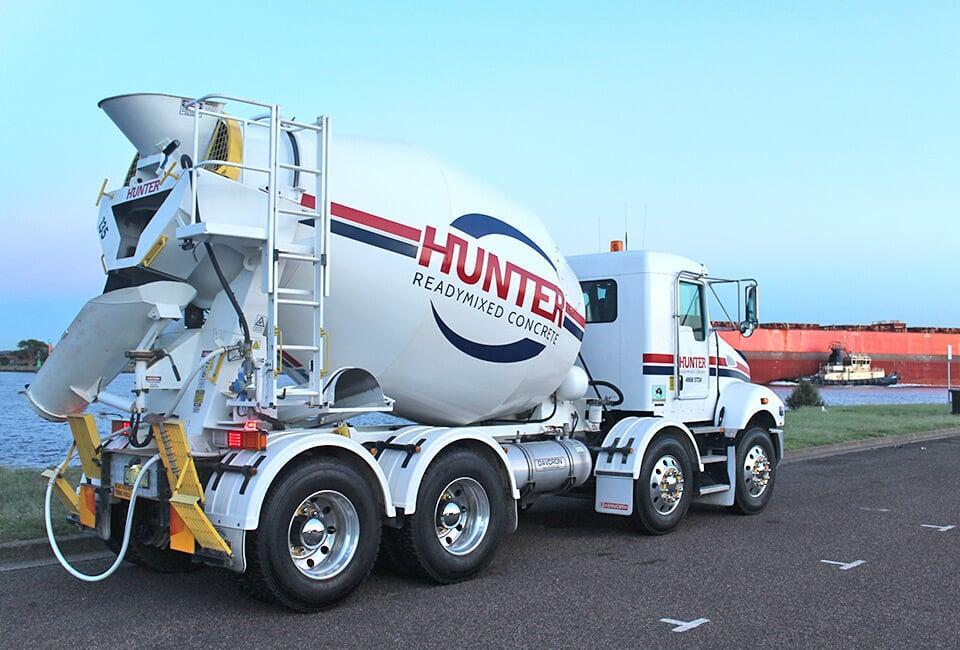
    Hunter Readmixed Concrete
    Overcoming the Limitations of Traditional Radio
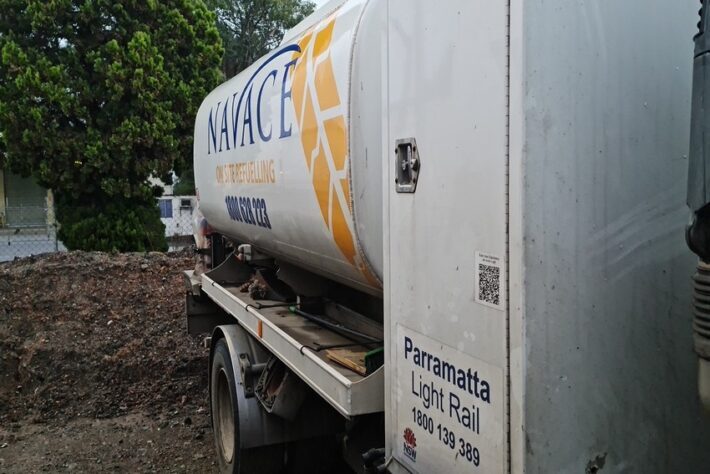
    Navace Onsite Refuelling and Asset Management benefit from Push-to-Talk

    INSIGHTS AND ASSISTANCE
    Frequently asked questions

    Find answers to common queries and gain valuable insights into how to unleash the
    power of your remote workforce and assets
    1. What is IoT and how can it benefit companies with remote access, vehicle fleets, and employees?

    IoT stands for Internet of Things, which refers to the network of physical devices connected to the internet that collect and exchange data. For companies with remote assets, vehicle fleets, and employees, IoT can provide real-time tracking and monitoring capabilities, improve operational efficiency, reduce costs, enhance safety measures, and increase productivity.


    2. How can IoT help companies optimise their fleet management operations?

    IoT enables companies to track the location of vehicles in real-time, monitor fuel consumption and maintenance schedules, analyse driver behaviour for efficiency and safety improvements, automate route planning for optimized delivery schedules, and improve customer service through accurate ETA predictions.


    3. What are some key features of an IoT solution for companies with remote access?

    Key features of an IoT solution for companies with remote assets may include GPS tracking devices for real-time location monitoring, sensors for environmental conditions monitoring (e.g., temperature, humidity), predictive maintenance tools to prevent equipment failures, geofencing capabilities to define virtual boundaries for asset security, and data analytics tools for performance optimization.


    4. How can IoT technology help ensure employee safety in remote work environment?

    With IoT technology, companies can provide employees with wearable devices that have built-in emergency buttons or sensors to detect falls or hazardous conditions. Companies can also implement geolocation tracking systems to monitor employee whereabouts in case of emergencies or accidents.


    5. How can companies integrate IoT solutions into their existing operations?

    Companies can integrate IoT solutions into their existing operations by working with experienced service providers who offer customizable solutions tailored to their specific needs. This may involve selecting compatible hardware devices (e.g., trackers, sensors) and software platforms that seamlessly integrate with existing systems (e.g., fleet management software). Training employees on how to use these new technologies is also crucial for successful integration.